title: proper form while running
slug: proper-form-while-running
target_site: enter2run
language: English
status: delivered
date: 2026-09-29
source: grok_writer
proper form while running
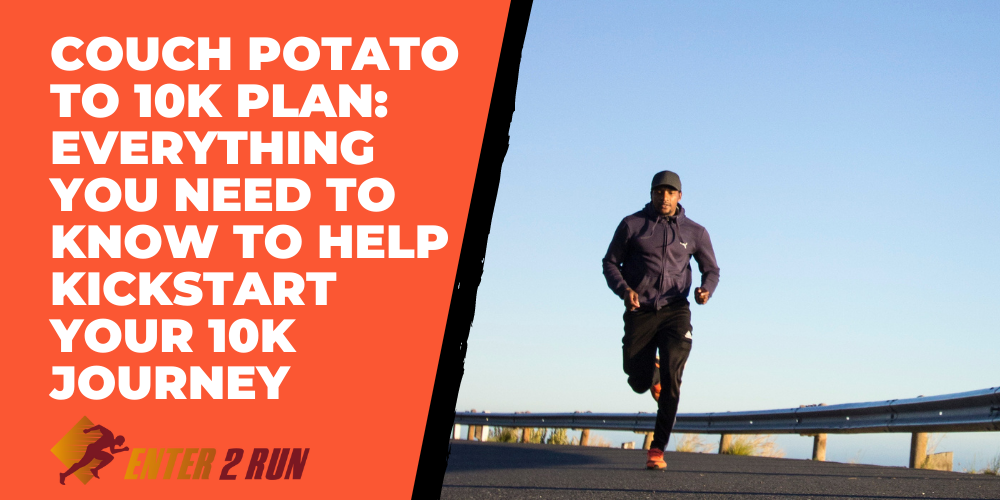
Proper form while running starts with keeping your head up and gaze forward while allowing a natural slight forward tilt from the ankles. This setup promotes efficient movement and minimizes strain on the joints and muscles.
Maintaining Upright Posture
Good posture forms the foundation for every stride. Stand tall with your spine neutral and shoulders relaxed away from the ears. Avoid rounding the upper back or arching the lower back excessively.
Key Factors for Alignment
- Position the head so the ears sit directly over the shoulders.
- Keep the pelvis tucked slightly under to prevent excessive lumbar curve.
- Relax the hands and let the arms hang naturally at the sides before starting the run.
Check posture every few minutes by imagining a string pulling the crown of the head upward. This cue prevents forward head tilt that increases neck tension over long distances.
Optimizing Foot Strike Patterns
Foot placement determines how force travels through the body. Aim for a midfoot strike under the hips rather than reaching far ahead with the heel. This reduces braking forces and lowers impact on the knees and shins.
Steps to Improve Landing
- Shorten your stride temporarily and focus on quick, light steps.
- Land with the foot directly beneath the knee at contact.
- Allow the heel to kiss the ground after the midfoot without pounding.
- Push off through the ball of the foot while keeping the ankle stable.
Practice this on a treadmill at a comfortable pace. Film your feet from the side to confirm the landing point stays close to the body.
Coordinating Arm Swing
The arms drive rhythm and balance. Bend elbows to roughly 90 degrees and swing them forward and back in a straight line. Avoid crossing the midline of the body or letting the hands rise above chest height.
Drills for Arm Control
- Perform high-knee marches in place while pumping the arms in sync with the legs.
- Run with one arm behind the back for 30 seconds to feel the opposite arm’s path.
- Keep shoulders down and loose so tension does not travel up into the neck.
Consistent arm drive helps maintain cadence and reduces unnecessary torso rotation.
Mastering Breathing Rhythm
Breathing supplies oxygen without disrupting form. Match inhalations and exhalations to foot strikes in a 2:2 pattern for most easy runs. Inhale for two steps and exhale for two steps.
Practical Breathing Adjustments
- Use belly breathing to engage the diaphragm fully instead of shallow chest breaths.
- Slow the exhale slightly on hills to control effort.
- Practice rhythmic breathing during warm-up walks before increasing pace.
This pattern stabilizes the core and prevents side stitches during longer efforts.
Adjusting Stride and Cadence
Cadence influences efficiency and injury risk. Count steps on one foot for 60 seconds and multiply by two to find your current rate. Most runners improve by increasing to 170 to 180 steps per minute.
Methods to Raise Cadence
- Use a metronome app set to the target beats per minute.
- Shorten stride length while keeping effort the same.
- Focus on lifting the feet quickly rather than pushing harder.
Higher cadence reduces vertical bounce and keeps the feet moving in a circular motion close to the ground.
Engaging the Core Effectively
A stable core transfers power from the upper body to the legs. Engage the deep abdominal muscles lightly throughout the run without holding the breath. Think of drawing the navel toward the spine on each exhale.
Core Activation Techniques
- Perform planks and bird dogs two to three times per week to build endurance.
- During runs, check for a braced midsection every mile marker.
- Avoid letting the hips drop or sway side to side on fatigue.
Strong core engagement keeps the pelvis level and protects the lower back on uneven surfaces.
Running Form on Varied Surfaces
Different terrain requires small adjustments. On trails, shorten the stride and increase knee lift to clear roots and rocks. On downhills, lean slightly from the ankles while keeping the feet under the body to control speed.
Surface Specific Cues
- Grass or sand: Land softer and accept a slightly slower cadence.
- Pavement: Maintain the midfoot strike and quick turnover.
- Hills: Drive the arms more vigorously on climbs and use a controlled lean on descents.
These tweaks preserve energy and reduce impact across changing conditions.
Common Mistakes to Avoid
Many runners overlook small habits that compound over time. Overstriding places the foot too far ahead and creates a braking effect. Bouncing excessively wastes energy and increases impact forces on the legs.
Other frequent errors include clenching the fists, which travels tension up the arms, and looking down at the ground, which rounds the shoulders. Fix these by periodically scanning the body from head to toe during runs and making one correction at a time.
Frequently Asked Questions
How long does it take to change running form? Most runners notice measurable improvements in four to six weeks when they practice drills three times weekly and apply cues during easy runs.
Does proper form eliminate all injury risk? No single element removes risk entirely, yet better alignment reduces common issues such as shin splints and runner’s knee by distributing forces more evenly.
Should beginners focus on form or mileage first? Start with short runs that emphasize posture and foot placement, then gradually add distance once the new patterns feel natural.
How can I check my form without video? Run beside a storefront window or use a mirror on a treadmill to observe posture and arm swing in real time.
Is there one drill that helps the most? High knees with exaggerated arm swing reinforces posture, cadence, and core engagement simultaneously and transfers well to actual running.